.avif)
Cessna 185 Insurance in Canada: Coverage, Pilot Requirements, and Quote Factors
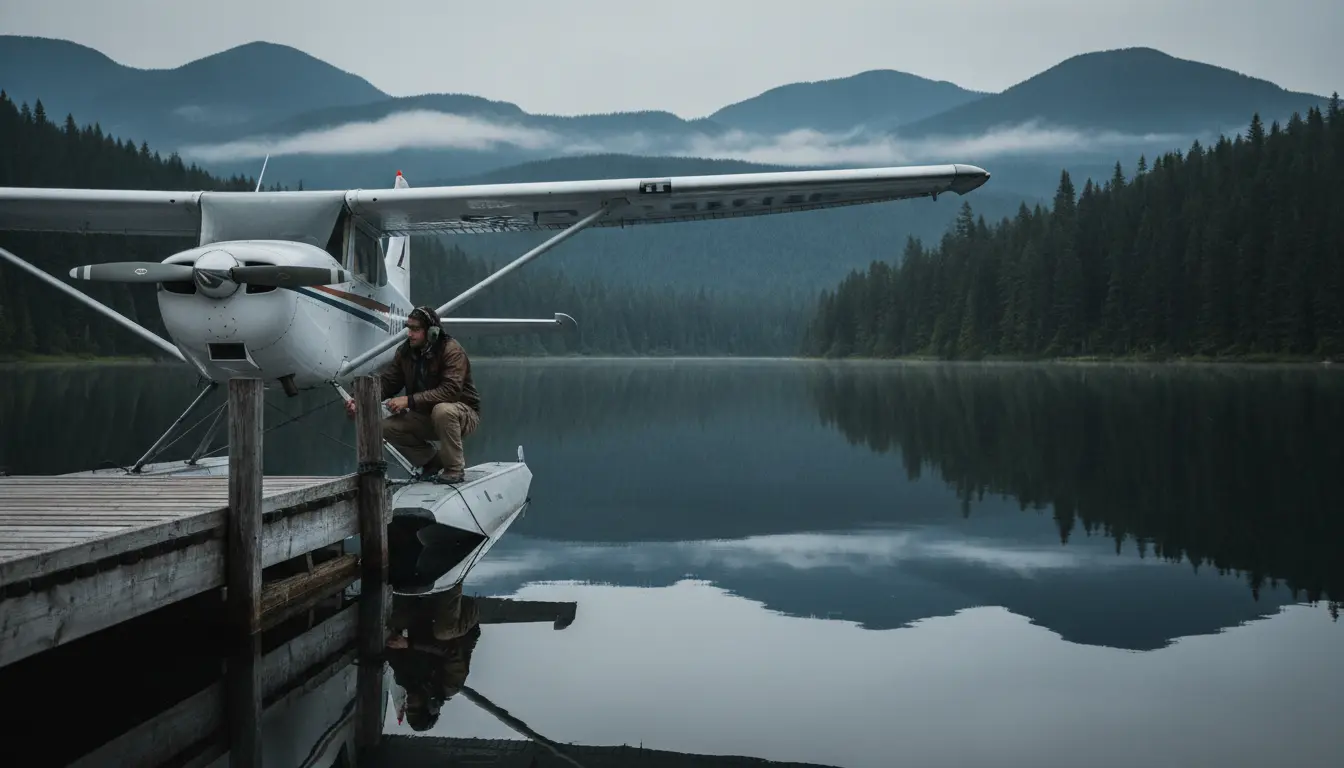
A Cessna 185 can have a very different insurance profile depending on how it is equipped and flown. A privately operated landplane based at a paved airport does not present the same underwriting picture as a float-equipped aircraft used at remote lakes, even when the make and model are identical.
In Canada, Cessna 185 insurance may combine physical damage coverage for the aircraft with liability protection for injury or property damage arising from its operation. Insurers commonly review the aircraft’s insured value, configuration, pilot history, intended use, annual activity, storage, territory and claims record. Coverage, pilot conditions and deductibles are set by the policy and insurer; no particular quote or placement is guaranteed.
What Cessna 185 insurance can include
The right starting point is to separate hull coverage from liability coverage. They address different financial risks, and an owner may need to make a distinct limit or valuation decision for each.
Hull coverage
Hull coverage can insure physical loss or damage in flight and on the ground. Ground-risk or not-in-motion options have a narrower scope defined by the policy. Deductibles and exclusions apply, and the insured value should reflect the specific aircraft.
That distinction matters for an aircraft with approved modifications, updated avionics, floats, skis or other equipment. Owners should disclose what is permanently installed, what is removable and whether any equipment needs separate treatment. Maintenance records, recent photographs and supporting valuation documents can help an advisor present the aircraft accurately.
The agreed value is not automatically the same as an advertised price, replacement cost or final claim payment. Ask how the valuation, deductible and total-loss terms work before binding.
Liability coverage
Liability coverage can respond when the insured is legally liable for bodily injury or damage to someone else’s property. Passenger treatment, defence and claims support depend on the wording. Limits and permitted operations must match actual use.
Federal requirements are only one part of that decision. Section 606.02 of the Canadian Aviation Regulations uses owner or operator category and maximum permissible take-off weight to set minimum public-liability requirements. For an owner outside the air-operator, flight-training and specified balloon categories, the regulation lists $100,000 for aircraft at 1,043 kg (2,300 pounds) or less and $500,000 for aircraft above 1,043 kg up to 2,268 kg (5,000 pounds). The correct bracket must be confirmed for the aircraft and operation in question.
A regulatory minimum is not a recommendation. Airport agreements, financing terms, hangar contracts or personal risk preferences may call for a different limit. An advisor can help you compare aviation insurance coverage without treating the lowest legal figure as the answer.
Why configuration and operating profile matter
Consider two BC owners: one flies personal trips from a controlled airport and uses a locked hangar; the other operates on floats and parks outdoors near the water. Their exposure to ground handling, docking, weather and remote recovery differs.
Report the configuration expected during the policy term. This may include:
- landplane, float or ski operation;
- wheel, float or ski changeover periods;
- approved modifications and installed equipment;
- home base, regular destinations and storage arrangements;
- paved, gravel, grass, water or snow operations;
- personal, business, commercial or instructional use;
- travel outside Canada or into remote areas; and
- any financing, leasing or additional-insured requirements.
Float and ski configurations do not lead to one standard insurance outcome. An insurer may ask about the equipment, season, pilot experience, training, operating area and storage. The aircraft’s certification also matters. Transport Canada explains that U.S.-designed aircraft may be eligible for a Canadian standard certificate of airworthiness based on their FAA type certificate, subject to Canadian requirements, on its U.S. eligible aircraft guidance page.
Pilot experience and training
For Cessna 185 insurance, a pilot’s total time is only one line in the submission. Underwriters may also review time in make and model, tailwheel time, recent flying activity, accident or violation history, ratings, recurrent training and experience with the proposed configuration.
A pilot with substantial total time but little recent tailwheel or float experience may be assessed differently from someone who flies the same configuration regularly. That does not create a universal hour requirement. Insurer criteria vary, and terms may change with the aircraft, use and market conditions.
Possible policy conditions can include dual instruction, a checkout, named-pilot restrictions or minimum experience before solo flight. Get any training or pilot-warranty requirement in writing, including who can provide instruction and what must be documented.
Do not round up hours or count planned training as completed experience. If another pilot may fly the aircraft, include that person at the quote stage.
Main Cessna 185 insurance quote factors
Pricing cannot be reduced to one fixed rate. A quote reflects a group of connected details, and a change in one item can affect the terms offered.
Common factors include:
- Aircraft value: The requested hull value, avionics, modifications and equipment influence the amount at risk.
- Pilot profile: Total time, make-and-model time, tailwheel experience, configuration experience, recency, training and claims history may be reviewed.
- Use: Private pleasure, business travel, rental, instruction or other commercial activity can be treated differently.
- Configuration: Wheels, floats and skis can change operating conditions and the information an insurer requests.
- Base and storage: Hangared, tied down, outdoors, docked or seasonally stored aircraft have different ground exposures.
- Territory: Regular routes, cross-border travel and remote operations should be disclosed.
- Liability limit and deductible: The limits and deductible options requested affect both protection and price.
- Loss history: Prior aircraft losses or claims may require dates, circumstances, amounts and corrective action.
Compare policy details as well as premiums. Options may differ by deductible, pilot warranty, territory or permitted use. Air1’s aircraft insurance cost guide explains why price is only one part of the comparison.
Restrictions and exclusions to review
Read the declarations, endorsements, pilot warranty, permitted-use clause, territory and exclusions together.
Questions worth asking include:
- Are only named pilots covered, or can other pilots qualify under an open-pilot warranty?
- Does the permitted use match every planned activity?
- Are landplane, float and ski operations addressed as needed?
- What territory is covered, and are there notice requirements for travel?
- How do deductibles apply to ground, in-motion or other losses?
- Are spare parts, tools, portable avionics or removable equipment included?
- What notice is required after a modification, change in value or change of base?
- What duties apply after a loss?
The federal regulation recognizes certain standard aviation exclusions for risks such as war, hijacking, noise, pollution and radioactive contamination in the circumstances set out in section 606.02. Policy wording still controls the coverage purchased. Review Air1’s guide to aviation insurance exclusions, then ask about anything unclear in the quote.
Exact checklist for a Cessna 185 insurance quote
Preparing the submission in advance can reduce follow-up. Have the following ready:
- registered owner name and contact information;
- aircraft year, exact model, serial number and registration;
- current insured value and the basis used to support it;
- engine, propeller, avionics and approved modification details;
- current and planned wheel, float or ski configuration;
- home base, hangar or tie-down details and seasonal storage;
- intended use, estimated annual hours and regular destinations;
- requested liability limit and deductible options;
- lender, lessor or additional-insured details;
- each pilot’s licence, ratings, date of birth and occupation if requested;
- total, make-and-model, tailwheel, float, ski and recent flight time as applicable;
- training completed or scheduled;
- accident, incident, violation and claim history; and
- current policy details and renewal date, if already insured.
The regulation also requires proof of compliant liability insurance to be carried aboard the aircraft, subject to the rule’s stated balloon exception. Keep the current proof available after placement, and replace it when the policy renews or changes.
Use Air1’s aircraft quote checklist for a broader application review. Accurate answers matter more than polished ones.
How an aviation insurance advisor can help
An advisor can organize the aircraft, pilot and operating details, identify missing information and explain differences between available terms.
Air1 Insurance brings Canadian aviation experience, InsureBC Group access and advisor-led support. Owners can compare policy terms and spot conditions that may affect how the aircraft can be flown.
An advisor cannot guarantee that an insurer will quote, accept a given pilot or configuration, or settle a future claim in a particular way. The value lies in accurate presentation and a clear explanation of the options an insurer does offer.
Frequently asked questions
Is Cessna 185 insurance required in Canada?
Canadian aircraft owners must comply with the liability insurance requirements that apply to their ownership and operation under section 606.02 of the Canadian Aviation Regulations. The applicable minimum depends on factors such as owner or operator category and maximum permissible take-off weight. Hull coverage is a separate decision, although a lender or lease may require it.
Does a Cessna 185 on floats cost more to insure?
Not always, and there is no fixed surcharge that applies to every aircraft. The insurer may consider float equipment, pilot float experience, operating area, season, storage, claims history and aircraft value. Compare the full terms rather than assuming configuration alone sets the premium.
How much tailwheel time do I need?
There is no universal insurance minimum for every Cessna 185 pilot. Insurers may review total time, tailwheel time, make-and-model time, recency and training. A quote may include pilot conditions, so obtain the exact requirement in writing.
Can more than one pilot be insured?
Potentially. A policy may name individual pilots or include an open-pilot provision with stated qualifications. Each proposed pilot should be disclosed, and no one should assume they qualify without checking the policy wording.
What should I send to get an accurate quote?
Send the exact aircraft and configuration details, insured value, use, base, storage, requested limits, loss history and a flight-time breakdown for every pilot. Include planned float or ski changes and any upcoming training. Air1 can identify what else a particular insurer needs.
Talk to an advisor about your Cessna 185
Whether your Cessna 185 operates on wheels, floats or skis, the policy should reflect the aircraft, pilots and real operating plan. Start your custom quote or talk to an Air1 advisor to compare coverage options and review the conditions before you bind.
No insurer availability, policy term, premium, pilot approval, placement or claim outcome is guaranteed. Coverage is subject to underwriting, the issued policy wording, limits, deductibles, conditions and exclusions.