.avif)
Aircraft Insurance Quote Checklist: What Canadian Pilots Should Prepare Before Applying
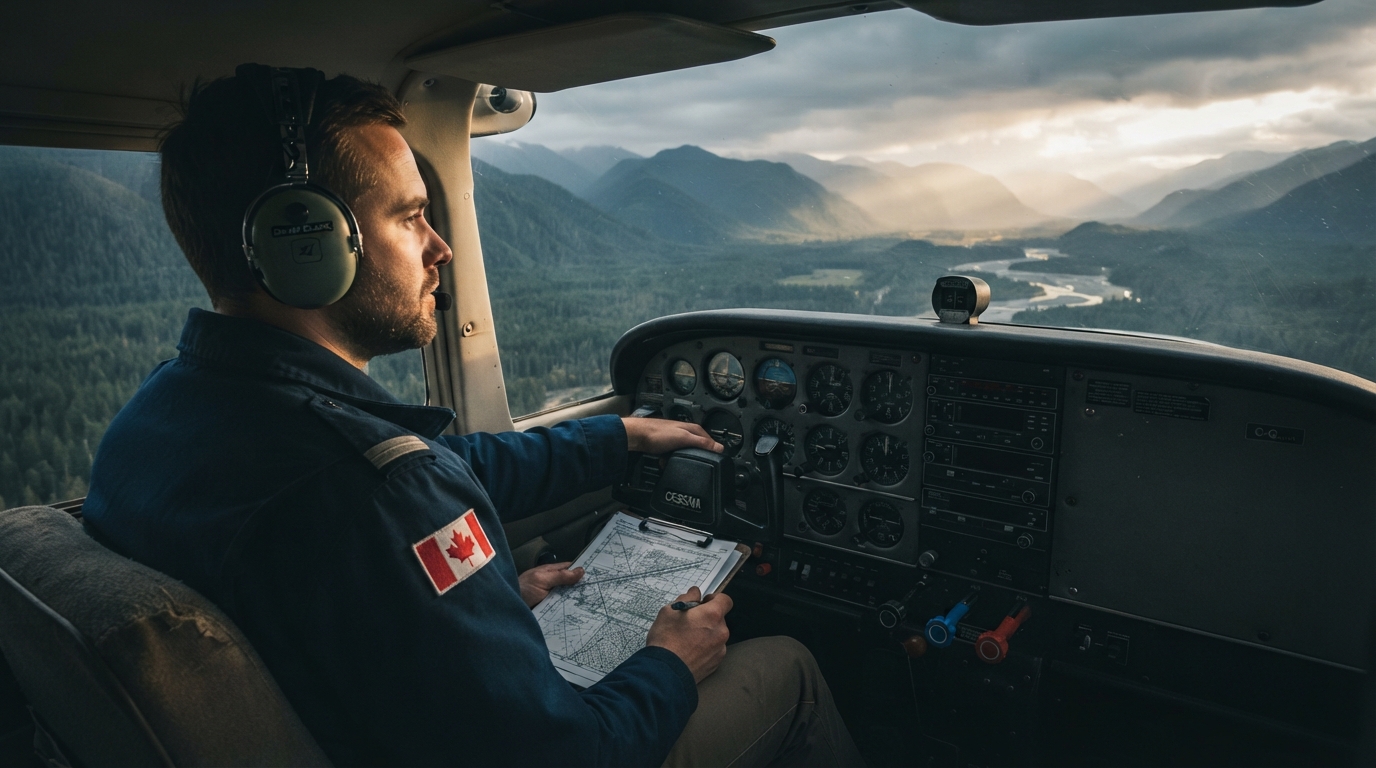
A good aircraft insurance quote starts before the application is sent. If you can answer the underwriter’s first questions clearly, your advisor has a better chance of finding suitable coverage options, spotting gaps early, and reducing the back-and-forth that slows a quote down.
For Canadian pilots, the details matter. A Cessna 172 used for weekend flying, a floatplane based near the coast, and a multi-owner aircraft used for business travel all present different risk profiles. Underwriters look at the aircraft, the pilots, the use, the storage setup, and the limits you want.
Air1 helps Canadian owners and pilots compare aviation insurance options in Canada, but the strongest quote conversations are the ones where the right information is ready from day one.
Start with the aircraft details underwriters ask for first
Before price comes policy fit. Underwriters need to know exactly what aircraft they are being asked to insure.
Prepare:
- Aircraft make, model, year, and registration
- Serial number, if available
- Hull value you want insured
- Current location and usual base of operations
- Engine and avionics details, especially after upgrades
- Maintenance status and recent major work
- Whether the aircraft is privately owned, company owned, leased, or jointly owned
Hull value deserves care. If you recently upgraded avionics or completed a major overhaul, last year’s value may no longer reflect the aircraft. If the value is too low, a loss settlement may disappoint. If it is too high, you may pay for a figure that does not match market reality. Your advisor can help review the value against the aircraft and current market conditions.
Transport Canada keeps aircraft registration and flight crew licensing separate from insurance, but insurers still care that the aircraft and pilot details line up with Canadian aviation records. If a registration, ownership change, or pilot document is in progress, say so early.
Be clear about how the aircraft will be used
Usage is one of the biggest quote drivers. “Private use” is not enough if the aircraft is also used for business travel, instruction, leaseback, aerial work, or shared club activity.
List every intended use, even if it feels minor:
- Personal recreation
- Business transportation
- Flight training or checkouts
- Rental or leaseback
- Club flying
- Float operations
- Cross-border trips
- Charitable flights or special events
A private owner based in Langley who flies to Vancouver Island on weekends is a different file than an owner who also allows partner pilots, carries clients, or uses the aircraft for company travel. The policy should match what actually happens, not what sounds easiest on a form.
This is also where you can avoid a common problem: asking for a low-cost quote based on narrow use, then discovering later that the aircraft is being used outside the policy wording. If plans might change during the year, tell your advisor before coverage is bound.
Prepare pilot experience, ratings, and recency
Underwriters do not only insure aircraft. They assess the people operating them.
For each pilot, gather:
- Licence or permit type
- Ratings and endorsements
- Total flight time
- Time on type
- Recent hours, often the last 12 months
- Instrument, night, float, mountain, or tailwheel experience where relevant
- Training history and recurrent training plans
- Claims, incidents, or violations, if any
Transport Canada’s flight crew licence and rating resources show how many licence, permit, and rating categories can apply in Canada. From an insurance point of view, those distinctions matter because a pilot’s documented privileges, recency, and aircraft experience can affect eligibility and terms.
If a lower-time pilot will be added, do not hide it. Your advisor may be able to discuss checkout requirements, dual instruction, named-pilot terms, or a staged approach. A clear training plan often tells a better story than a vague “experienced pilot to be confirmed.”
Know the coverage limits you want to discuss
An aircraft insurance quote usually involves more than one coverage decision. The main pieces are hull coverage, liability coverage, passenger liability, deductibles, and possible extensions tied to storage, premises, or non-owned use.
You do not need to know the final limits before speaking with an advisor, but you should be ready to discuss:
- Desired hull value
- Liability limit options
- Passenger exposure
- Deductible comfort level
- Whether the aircraft is financed
- Contract or airport requirements
- Cross-border or international flying needs
If you are still learning how these factors influence price, Air1’s guide to aircraft insurance cost factors can help you understand why two similar aircraft may not quote the same way.
For commercial air services, the Canadian Transportation Agency publishes minimum liability insurance amounts for licensed air carriers. Those rules are not a substitute for advisor review, but they are a reminder that liability needs can depend on operation type, aircraft size, and passenger exposure. Private owners should still review limits against their own risk and financial comfort.
Storage and location details can change the quote
Where the aircraft lives matters. A hangared aircraft at a controlled airport, a tied-down aircraft in an exposed area, and a floatplane stored seasonally all create different concerns.
Prepare these details:
- Airport or base location
- Hangared, tied down, moored, or stored off-airport
- Hangar construction and fire protection, if known
- Security measures
- Seasonal storage plans
- Whether the aircraft is trailered or moved by road
- Any shared hangar or third-party premises arrangements
In BC, coastal weather, wind, rain, wildfire smoke seasons, and mountain terrain can all shape the practical risk picture. Underwriters may ask different follow-up questions depending on whether the aircraft is based in the Lower Mainland, the Interior, Vancouver Island, or Northern BC.
If storage changes during the year, update your advisor. Moving from a hangar to outdoor tie-down, or from landplane storage to float operations, can affect the policy.
Claims history and documentation help avoid surprises
A past claim does not automatically stop a quote, but incomplete information can slow the process. If there has been a loss, incident, hard landing, prop strike, theft, hangar damage, or liability concern, gather the facts.
Useful documents can include:
- Claim date and description
- Amount paid or reserved, if known
- Repairs completed
- Corrective training or maintenance steps
- Current aircraft condition
- Prior insurer information
Underwriters respond better to clear context. A claim followed by repair records, pilot training, and risk-control steps is easier to review than a short note that says “minor damage” with no detail.
Common missing items that delay aircraft insurance quotes
Most delays come from small gaps. The owner sends the aircraft model but not the registration. The pilot gives total hours but not time on type. The aircraft value is guessed. The intended use is described too broadly.
Before you ask for an aircraft insurance quote, check that you have:
- Full aircraft information
- Named pilots and experience details
- Accurate aircraft use
- Desired hull value and liability discussion points
- Storage location
- Claims history
- Renewal date or required effective date
- Financing or lienholder details
If you are switching brokers or markets, also have your current policy documents ready. They give your advisor a baseline for limits, deductibles, endorsements, and exclusions that should be reviewed before any replacement policy is placed.
FAQ
How long does an aircraft insurance quote take in Canada?
Simple files can move quickly when the information is complete. More complex aircraft, higher hull values, multiple pilots, commercial use, or unusual operations may take longer because underwriters need more detail.
Do I need a firm hull value before applying?
You need a realistic starting point. Your advisor can help review whether the stated value makes sense, but the quote cannot be built well if the aircraft value is unknown.
Can I add pilots after the policy starts?
Often, yes, but the insurer may need to approve them first. New pilots may affect terms, training requirements, or premium.
Should I get quotes before buying an aircraft?
Yes. A pre-purchase insurance review can flag pilot requirements, coverage limits, expected cost range, and possible underwriting concerns before you commit.
Ready to request a quote?
The best quote conversation is specific. Bring the aircraft details, pilot history, intended use, storage plan, and any current policy documents. Air1 can help review the information, explain options in plain English, and request a personalized aircraft insurance quote based on your situation.