.avif)
Drone Liability Insurance in Canada: What UAV Operators Actually Need to Know
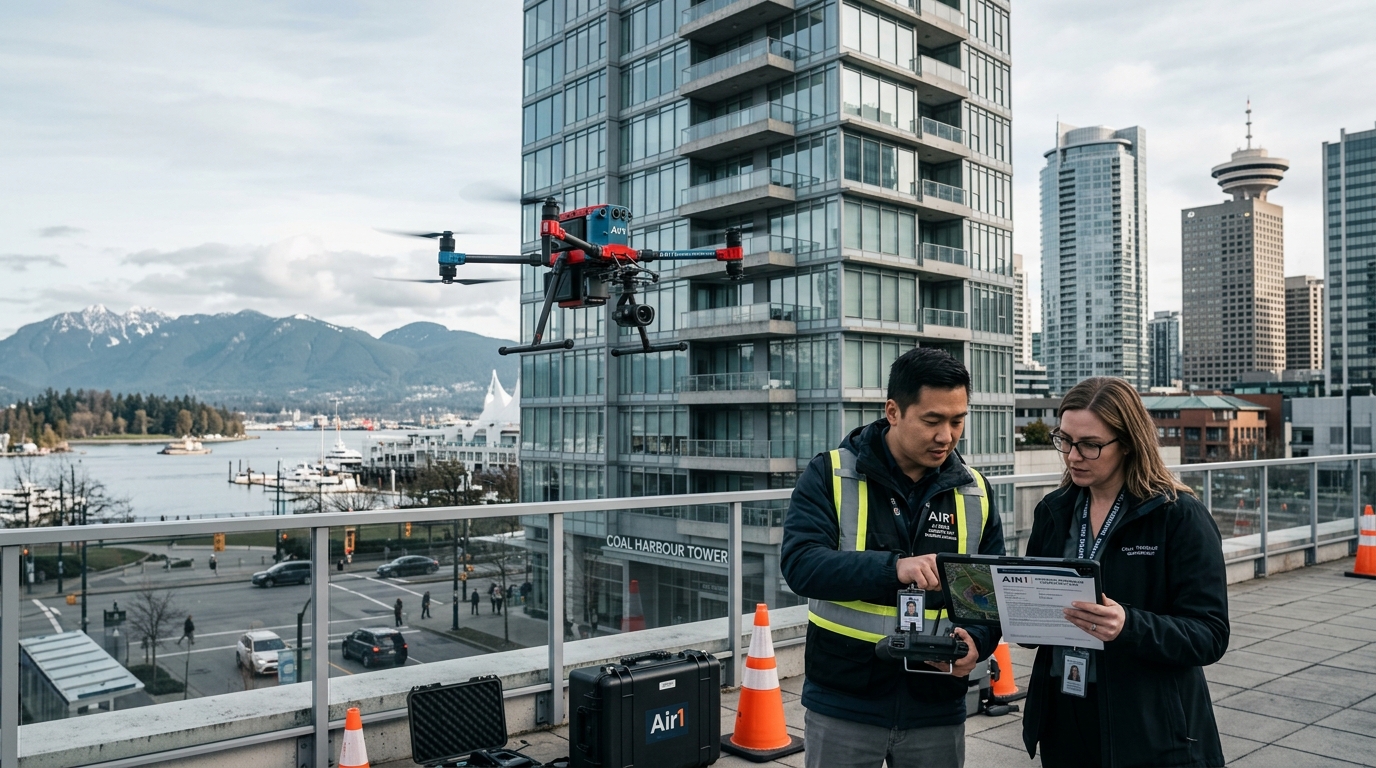
A drone job can look simple on paper: fly over a roof, inspect a site, capture a property video, send the files. The risk sits in the space between the plan and the actual flight: a gust near a condo balcony, a lost command link beside traffic, or footage that captures a neighbour’s licence plate.
That is where drone liability insurance becomes part of professional operations, not just paperwork.
Transport Canada says public liability insurance is recommended for drones, but it is not required for standard operation categories. At the same time, clients, venues, municipalities, and some Special Flight Operations Certificate situations may still ask for proof before they let you fly. If you use drones for real estate, construction, inspections, mapping, film, agriculture, or public-sector work, the right question is not only “Is insurance required?” It is “What could one incident cost my business?”
Air1 Insurance helps Canadian operators compare coverage options, understand policy wording, and prepare for quote discussions with less confusion. If you already know you need coverage, you can start your quote today. If you are still comparing options, this guide explains the basics in plain language.
Is drone liability insurance required in Canada?
For standard drone operations in Canada, insurance is generally recommended rather than mandatory. Transport Canada’s drone safety guidance states that public liability insurance is recommended, but not required, and notes that most standard home insurance policies do not cover drone use.
That legal answer is only one piece of the decision.
A commercial operator hired to film a downtown Vancouver development site may be asked for a certificate of insurance before entering the property. A municipality may request proof before allowing a flight over park land. A production company may require the drone pilot to name it as an additional insured. None of those are the same as a blanket federal requirement, but they can still decide whether you get the job.
Transport Canada also states that proof of insurance may be required for operations that need a Special Flight Operations Certificate for RPAS. If your work moves beyond basic or advanced categories, insurance can become part of the permission process.
A practical way to think about it:
- Transport Canada rules decide whether you can fly legally.
- Client contracts decide whether you can accept the job.
- Insurance helps protect your business if a flight causes injury, damage, or another covered loss.
If your drone is part of paid work, speak with an advisor before assuming your existing business insurance solutions will respond to aviation-related claims.
What drone liability insurance usually covers
Drone liability insurance is designed to respond when your drone operations cause harm to someone else or their property, subject to the policy terms. For example, a roof inspection drone clips a chimney, falls onto a parked vehicle, and the vehicle owner files a claim for repair costs.
A policy may include:
- Bodily injury liability if a covered drone incident injures a third party
- Property damage liability if your drone damages someone else’s property
- Premises or job-site requirements, such as certificates of insurance for clients
- Personal injury or privacy-related coverage, depending on the insurer and policy wording
- Coverage for named pilots, fleets, or specific business uses
Liability coverage is different from hull or equipment coverage. Liability looks outward: injury or damage to others. Hull or equipment coverage looks inward: damage to your drone, payload, camera, controller, or related gear. A photographer flying a $3,000 drone with a camera payload may need both, while a small operator using a lower-cost aircraft may focus first on third-party liability.
Professional liability is another separate issue. If you provide mapping, surveying support, inspection reports, or measurement-based deliverables, a client may allege financial loss because of an error in your work. That is not the same as a drone striking a building. Operators who provide technical deliverables should ask whether they also need errors and omissions coverage.
This is why policy wording matters. Two drone operators can both ask for “commercial drone insurance” and need different protection: one flies property videos for realtors; another inspects towers near controlled airspace. Air1 can help you compare coverage options before you commit.
What Transport Canada rules mean for insurance buyers
Insurance does not replace compliance. If a claim involves an illegal or reckless flight, the insurer will review the circumstances closely.
Transport Canada treats drones as aircraft and drone users as pilots. The rules depend on what you fly, how you fly, where you fly, when you fly, and who flies. Several numbers matter for Canadian operators:
- Drones under 250 g are microdrones and do not require registration or a pilot certificate, though pilots still need to fly safely.
- Drones from 250 g up to 25 kg are small drones and must be registered and marked.
- Basic pilot certificates start at age 14; advanced certificates start at age 16.
- Flying without required registration can lead to fines up to $5,000 for individuals and up to $25,000 for corporations.
- Transport Canada lists 122 metres, or 400 feet, as a threshold that can move some operations into special permission territory.
Those details can affect underwriting. An insurer may ask what drones you use, where you operate, which pilots are certified, whether you fly near people, and whether you operate in controlled airspace. A pilot flying rural farmland surveys faces a different risk profile than a crew flying over a construction site beside a busy road.
Keep copies of registration, pilot certificates, site assessments, maintenance notes, and client flight plans. Good records do not prevent every incident, but they help show that your operation is organized and safety-minded.
If your business already carries commercial general liability, ask whether aircraft, aviation, or drone operations are excluded. Many standard policies were not built for RPAS exposure. Your commercial coverage for Canadian businesses may need a drone-specific addition or a separate aviation policy.
Common drone risk scenarios Canadian operators should plan for
Drone claims are not limited to dramatic crashes. The day-to-day risks are often quieter and easier to underestimate.
Picture a real estate shoot in Burnaby. The pilot launches from the driveway, captures exterior footage, and turns toward the back lane. The drone loses connection for a few seconds, drifts, and hits a neighbour’s window. Even if no one is hurt, the pilot may face repair costs, client frustration, and questions about whether the flight plan respected nearby property.
Other common scenarios include:
- Construction progress footage where a drone strikes scaffolding or equipment
- Roof inspections where falling debris damages a parked vehicle
- Agricultural surveys where a hard landing destroys the drone and sensor package
- Film shoots where a venue asks for $2 million or $5 million in liability limits before work begins
- Mapping projects where captured images include identifiable people, addresses, or licence plates
Privacy risk deserves special attention. Transport Canada’s privacy guidance says personal information can include a person’s face or a licence plate number, and commercial operators must consider privacy law when collecting, using, or sharing that information. For a drone business, that can mean tighter shot planning, clear client permissions, secure file storage, and careful editing before delivery.
Insurance is one layer. Operating discipline is another. If you fly over job sites, near homes, or around public spaces, both matter.
How much drone liability insurance should you consider?
There is no single right limit for every operator. A solo pilot doing occasional acreage photography may not need the same limit as a company inspecting industrial sites for national clients.
Many commercial clients ask for at least $1 million in liability coverage. Higher-risk locations, government contracts, utilities, film sets, and larger commercial properties may ask for $2 million, $5 million, or specific additional insured wording. The limit should match the work you do, the contracts you sign, and the worst credible loss your operation could create.
Before requesting a quote, gather:
- Drone make, model, serial number, weight, and value
- Payload details, including cameras, sensors, and attachments
- Pilot certificates and experience
- Types of work performed, such as inspections, real estate, mapping, or filming
- Typical flight locations, including controlled airspace or urban sites
- Annual revenue from drone operations
- Claims history and safety procedures
- Client contract requirements, including minimum limits or certificate wording
This preparation helps an advisor compare markets more accurately. It also reduces the back-and-forth that can delay a job when a client asks for proof of coverage at the last minute.
If you are unsure what limit a contract requires, send the insurance section to your advisor. Air1 can review the wording and help you request your personalized quote based on the actual work, not a guess.
Broker support vs buying drone insurance online
Online drone insurance can be fast. For a straightforward operator who knows the exact coverage needed, that speed may be attractive.
The tradeoff is advice. Drone insurance sits at the intersection of aviation rules, commercial contracts, privacy exposure, and equipment risk. A short online form may not catch that your home policy excludes drone use, your client wants additional insured wording, or your inspection deliverables create an errors and omissions exposure.
A broker can help you compare:
- Liability limits and deductibles
- Hull or equipment options
- Named pilot and fleet wording
- Additional insured and certificate needs
- Territory restrictions
- Exclusions for certain operations or locations
- Claims reporting expectations
This is where Air1’s role is practical. The goal is not to make coverage sound complicated. It is to make sure the policy matches how you actually fly. If your drone work is part of a broader operation, Air1 can also connect the discussion with auto insurance options in BC, property coverage, or other business policies where gaps may appear.
Drone insurance checklist before your next commercial flight
Before accepting a paid drone job, run a quick insurance and compliance check. It takes a few minutes and can prevent a much longer problem after an incident.
Ask yourself:
- Is the drone registered and marked if it weighs 250 g or more?
- Does the pilot hold the right certificate for the operation?
- Does the job require controlled airspace permission or an SFOC-RPAS?
- Has the client asked for a certificate of insurance?
- Are liability limits high enough for the contract?
- Does the policy include the actual drone, pilot, location, and business use?
- Are privacy risks addressed in the flight plan and file handling process?
- Are emergency procedures and claims contacts easy to find?
Keep proof of insurance with your job documents, not buried in an old email thread. If a property manager asks for a certificate at 7 a.m. on flight day, being ready helps protect the booking and your reputation.
FAQ: Drone liability insurance Canada
Does home insurance cover drone use?
Transport Canada notes that most standard home insurance policies do not cover drone use. Even if a recreational drone has limited personal liability coverage, that usually does not mean commercial flights are covered. Ask before flying for paid work.
Do I need drone insurance for a microdrone under 250 g?
Microdrones under 250 g do not need registration or a pilot certificate, but you still need to fly safely and follow applicable laws. If the drone is used for business, a client may still ask for proof of insurance.
What is third-party liability drone insurance?
Third-party liability coverage responds to covered injury or property damage claims made by someone outside your business. For example, if your drone damages a client’s building during an inspection, that is a third-party property damage scenario.
Can I add drone coverage to my business policy?
Sometimes, but not always. Many business policies exclude aircraft or aviation operations. A broker can check whether your current policy can be amended or whether you need a separate UAV insurance policy.
What should I do after a drone incident?
Make the area safe, get medical help if needed, document what happened, preserve flight logs and photos, notify the client where appropriate, and contact your insurer or broker quickly. Air1’s claims support and next steps page can help you understand the reporting process.
Talk to an advisor before your next flight
Drone liability insurance in Canada is not just about meeting a rule. It is about protecting your business when a paid flight does not go as planned, and about showing clients that you take risk seriously.
If you are comparing drone liability insurance Canada options, gather your drone details, pilot certificates, work types, and any contract requirements. Then contact an insurance advisor to compare coverage options and confirm what fits your operation.