.avif)
Marine Insurance BC: Boat Coverage for Coastal Waters, Lakes, and Storage
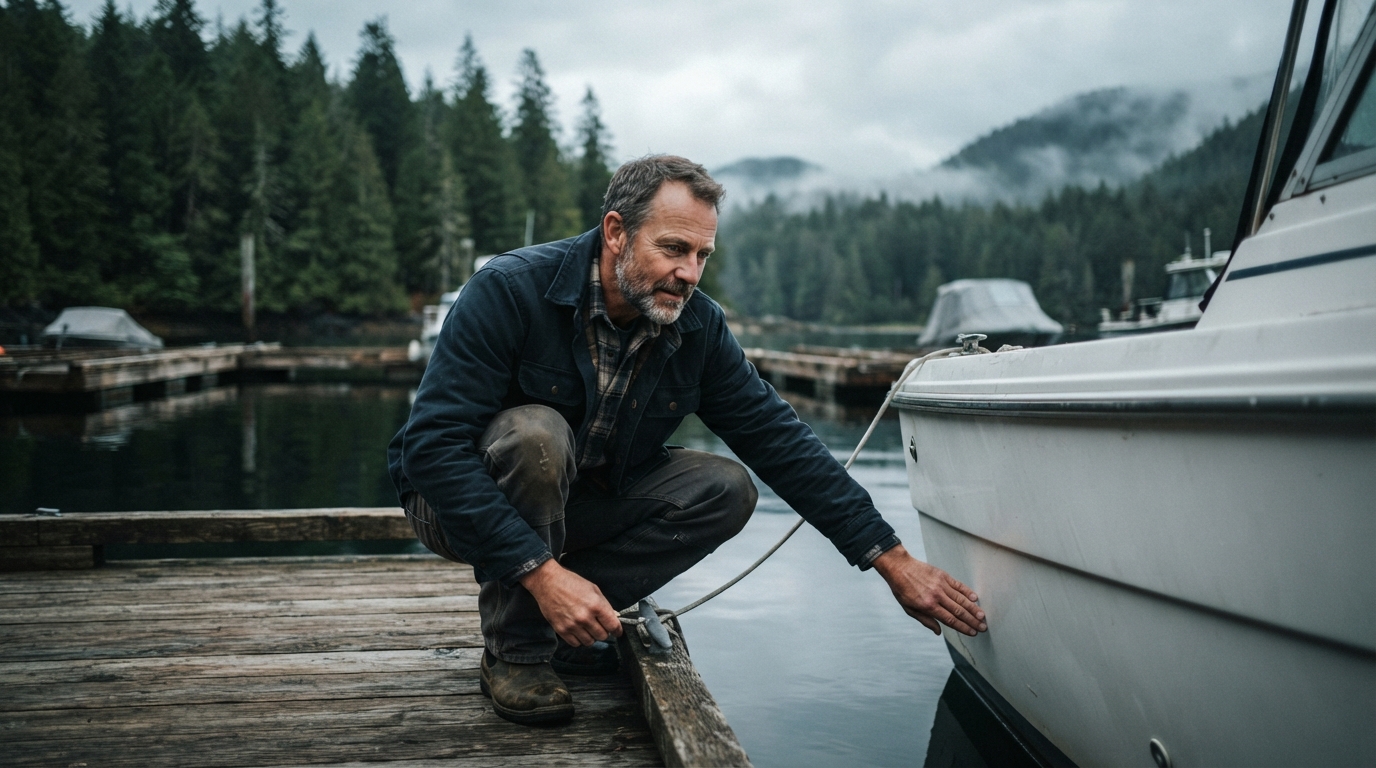
BC boating can mean very different things depending on the owner. One person keeps a runabout on a trailer for Okanagan lake days. Another moors a sailboat near Vancouver Island. A third uses a fishing boat seasonally and stores it for half the year.
Marine insurance in BC should reflect those details. The boat, waters used, moorage, trailer, storage, operators, and liability needs all shape the policy conversation.
Air1’s marine insurance options are built for owners who want plain-English guidance before choosing coverage.
What boat and marine insurance can cover
Boat insurance can include physical damage to the vessel, liability coverage, equipment, trailer coverage, personal effects, emergency towing, and pollution or wreck removal terms, depending on the policy.
A policy may respond to risks such as:
- Collision with another boat or object
- Fire or theft
- Storm damage
- Damage while trailering, if included
- Liability for injury or property damage to others
- Damage to permanently attached equipment
- Some emergency expenses, subject to limits
The wording matters because not every item on or near a boat is treated the same way. Fishing gear, dinghies, electronics, motors, trailers, and personal belongings may have limits or require special listing.
Coastal waters and lakes create different risk profiles
BC boaters use a mix of coastal waters, inland lakes, rivers, and marinas. A boat used around the Gulf Islands faces different concerns than one trailered to Shuswap Lake or stored near a freshwater marina.
Coastal use may raise questions about:
- Navigation territory
- Saltwater exposure
- Marina contracts
- Tides, currents, and weather
- Longer towing distances
- Mooring arrangements
Lake use may raise other questions:
- Seasonal launch and haul-out
- Trailer condition
- Storage during winter
- Theft risk at cabins or yards
- Operator experience in busy summer areas
Transport Canada’s Office of Boating Safety provides boating safety information for recreational boaters. Insurance is separate from safety rules, but underwriters may still care about operator experience, vessel condition, and safe use.
Liability should not be an afterthought
Some boat owners focus only on the vessel’s value. Liability can be just as significant. A lower-value boat can still cause injury, dock damage, damage to another vessel, fuel spill concerns, or legal costs after an accident.
Review liability limits if you:
- Carry guests
- Use busy marinas
- Tow tubes or water-skiers
- Keep the boat at a club or shared dock
- Travel in coastal waters
- Have a higher net worth or business exposure
- Need to satisfy marina contract requirements
Marinas and clubs may ask for proof of insurance and specific liability limits. Do not wait until launch week to check the requirement.
Storage and lay-up periods matter in BC
Many BC boats are seasonal. Some are stored on trailers, some in yards, some in dry stack, and some remain moored through winter.
Tell your advisor exactly how the boat is stored:
- In-water moorage
- Dry storage
- Trailer at home
- Cabin or recreational property storage
- Commercial yard
- Covered or uncovered storage
- Winterized or not winterized
Lay-up clauses can limit when and how a boat may be used. If a policy assumes the boat is laid up from November to March, taking it out on a sunny winter day may create a coverage problem. Check before using the boat outside the declared season.
Winterization also matters. Freeze damage may be limited or excluded if the boat is not properly prepared. Keep invoices, photos, or service records if a marina or mechanic handles winterization.
Trailer and road exposure are easy to miss
A trailer can be just as central to the boating season as the boat itself. If you move the boat between home, storage, and launch ramps, ask how the policy treats trailer damage, theft, and road accidents.
Questions to ask:
- Is the trailer listed on the policy?
- Is its value accurate?
- Is the boat covered while being trailered?
- What happens if the trailer is stolen without the boat?
- Does auto insurance respond to any part of the road exposure?
- Are there distance or territory limits?
Do not assume your auto policy covers the boat or trailer in the way you expect. Auto and marine policies can interact in ways that need advisor review.
What may not be covered automatically
Marine policies vary, but boat owners should ask about common limits and exclusions before binding coverage.
Review:
- Wear and tear
- Gradual deterioration
- Mechanical breakdown
- Vermin or marine growth
- Racing or speed events
- Commercial use or paid charters
- Unapproved operators
- Navigation outside the territory
- Named storms or weather restrictions
- Freeze damage
- Personal effects and fishing equipment limits
If you sometimes rent out the boat, take paying passengers, guide fishing trips, or use the vessel for business, disclose it. Personal boat insurance may not be designed for commercial activity.
Quote-prep checklist for marine insurance in BC
A better quote starts with a clear picture of the vessel and use.
Prepare:
- Boat make, model, year, and length
- Hull identification number
- Motor details and horsepower
- Purchase price and current estimated value
- Survey, if available or required
- Moorage or storage location
- Navigation area
- Operator experience
- Trailer details
- Safety equipment
- Claims history
- Planned seasonal use and lay-up period
- Any marina, lender, or club insurance requirements
For older vessels or higher values, an insurer may ask for a marine survey. If you already have one, share it early.
Claims documentation can make a hard day easier
Before the season starts, take photos of the boat, motor, electronics, trailer, and safety equipment. Keep receipts for major upgrades, winterization, and repairs. Store digital copies outside the boat.
If a loss happens, documentation can help confirm condition and ownership. It can also help your advisor and claims team move faster.
FAQ
Is boat insurance mandatory in BC?
It is not required for every recreational boat in the same way auto insurance is required for road vehicles. However, lenders, marinas, clubs, or storage facilities may require it, and many owners choose it to protect against property and liability losses.
Does boat insurance cover use on lakes and coastal waters?
It can, but the navigation territory must match your actual use. Tell your advisor where you boat so the policy can be reviewed properly.
Is my boat covered during winter storage?
It may be, subject to lay-up, storage, and winterization terms. Check the policy before assuming winter damage is covered.
Does marine insurance cover my trailer?
Only if trailer coverage is included and the trailer is properly listed. Ask how theft, damage, and road exposure are handled.
Can I insure an older boat?
Often, yes, but the insurer may ask for photos, maintenance records, or a survey. Condition and value matter.
Start before launch week
The best time to review boat coverage is before the marina needs proof of insurance, before the first lake trip, and before winter storage begins. Air1 can help you start your quote today or contact an insurance advisor to review vessel details, storage, liability, and BC usage.