.avif)
Pilot Insurance Canada: Non-Owned Aircraft, Renter Coverage, and Liability Basics
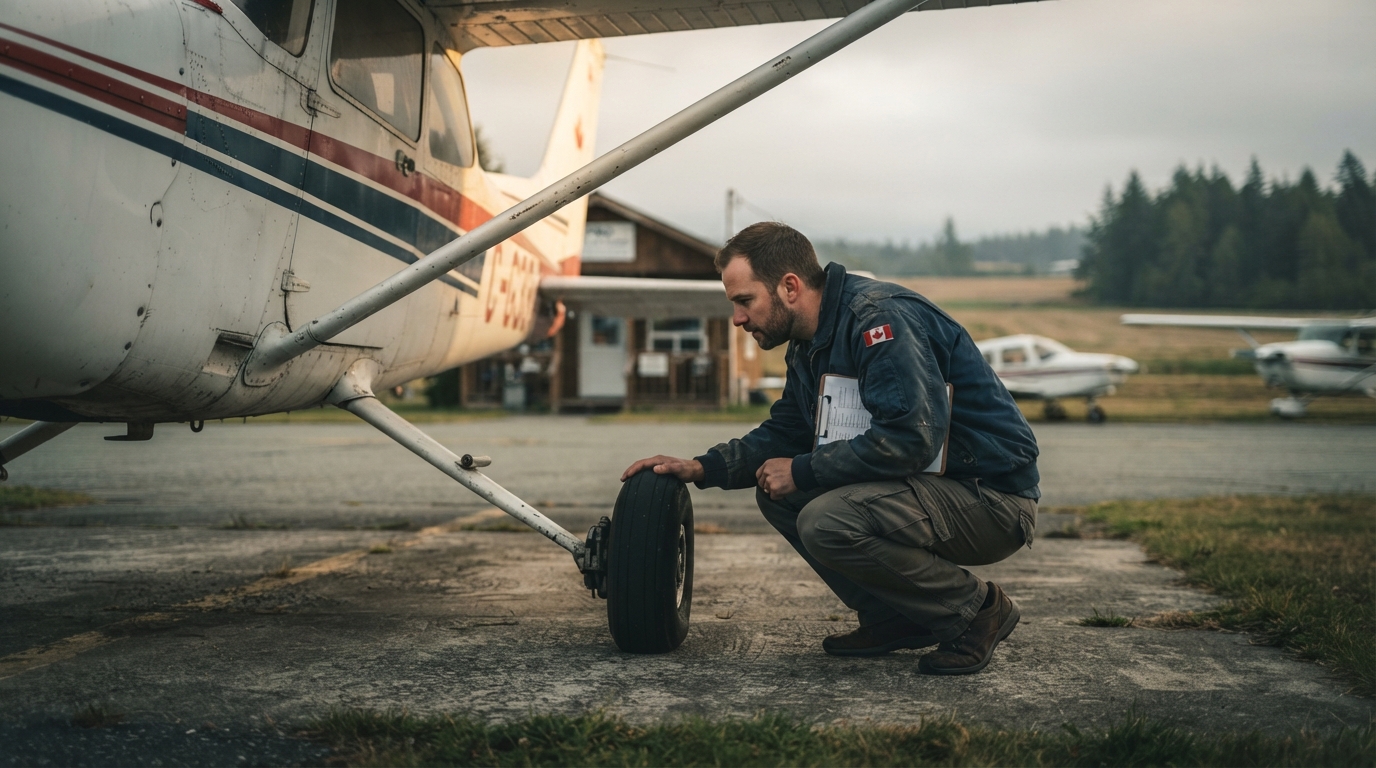
Not every pilot owns the aircraft they fly. Many Canadian pilots rent from a flight school, borrow from a friend, fly through a club, instruct in someone else’s aircraft, or occasionally act as a safety pilot. That is where pilot insurance in Canada can get confusing.
The owner’s aircraft policy may protect the aircraft owner first. It may not protect every pilot in the way the pilot expects. Depending on the policy wording, a renter or non-owned pilot may still face liability questions, deductible responsibility, or gaps tied to unauthorized use.
This article is a plain-English starting point. It is not legal advice, and it cannot replace review of the aircraft owner’s policy. But it can help you ask better questions before you fly.
Owned aircraft insurance is not the same as pilot insurance
An aircraft owner usually buys hull and liability coverage for a specific aircraft. Pilot insurance, in the renter or non-owned sense, focuses on the pilot’s exposure when flying an aircraft they do not own.
That distinction matters in everyday situations:
- A student rents a trainer for solo practice.
- A licensed pilot rents a club aircraft for a weekend trip.
- A pilot borrows a friend’s aircraft for a short flight.
- An instructor provides training in an aircraft owned by someone else.
- A pilot flies a company aircraft but is not the owner.
In each case, the aircraft owner’s policy should be reviewed. Who is an approved pilot? Is rental use allowed? Are instructors covered? Can the insurer recover costs from a renter after a loss? Is there a deductible agreement between the owner and pilot?
Air1’s aviation liability insurance guidance can help pilots and owners understand where coverage questions usually come up.
What non-owned aircraft coverage can address
Non-owned aircraft coverage is designed for pilots who fly aircraft they do not own. Terms vary by insurer, but the discussion often includes liability protection and, in some cases, physical damage responsibility to a non-owned aircraft.
A renter pilot may be more concerned about three exposures:
- Injury or property damage claims involving third parties.
- Damage to the rented or borrowed aircraft.
- Legal defence costs if a claim is made.
The exact response depends on the policy. Some coverage is excess over the aircraft owner’s insurance. Some is limited by aircraft type, use, territory, or pilot qualifications. Some policies exclude commercial activity or instruction unless it is declared.
That is why “the school has insurance” is not enough information. It may be true, but it does not answer whether you are protected, whether you owe the deductible, or whether the policy can respond to your specific flight.
Flight school and club coverage may have limits
Flight schools and clubs often carry insurance, but their policies are built for their own operations. They may include approved aircraft, approved pilots, checkout rules, rental agreements, and operational limits.
Before renting, ask for the practical details:
- Are renters named or automatically included?
- What flights are permitted: local, cross-country, night, instrument, or mountain routes?
- What is the deductible if the aircraft is damaged?
- Can the school or insurer seek recovery from the pilot?
- Are passengers allowed?
- Are flights into the United States permitted?
- Does coverage change for advanced training or check rides?
Transport Canada’s flight crew licence and rating resources show how pilot privileges can vary by permit, licence, and rating. Insurance rules are separate, but underwriters and schools often use those qualifications when deciding who can fly which aircraft and under what conditions.
A club may also have rules that are stricter than insurance requirements. For example, it may require recent hours on type, mountain checkout, or instructor approval before certain routes. Those rules can help reduce risk, and breaking them can create insurance trouble.
Liability basics every renter pilot should understand
Liability coverage responds to claims from others for injury or property damage, subject to policy wording. For pilots, liability can involve passengers, people on the ground, airport property, hangar damage, or damage to another aircraft.
The hard part is that liability limits can look abstract until something happens. A low-value trainer can still be involved in a high-cost liability claim. The aircraft hull value is only one piece of the risk.
For licensed Canadian air carriers, the Canadian Transportation Agency publishes minimum liability insurance amounts that depend on passenger seats and aircraft weight. Most private renter pilots are not operating as air carriers, but the rule shows a broader point: liability needs are tied to exposure, not only aircraft price.
When reviewing pilot insurance in Canada, ask your advisor how limits work, whether passenger liability is included, and how coverage interacts with the aircraft owner’s policy.
Renter pilots should read the rental agreement
The rental agreement often matters as much as the insurance certificate. It may say what you owe if the aircraft is damaged, what activities are banned, and whether you accept responsibility for deductibles or uninsured losses.
Read it before the day of the flight. Look for:
- Deductible responsibility
- Approved airports or route limits
- Weather minimums
- Fuel and maintenance reporting rules
- Passenger restrictions
- Cross-border restrictions
- Requirements after an incident
If the agreement says you are responsible for a $5,000 or $10,000 deductible, that is a real financial exposure even if the owner’s policy responds. If the agreement says certain flights are not allowed, do not assume insurance will fix the problem later.
Quote questions for pilot insurance
If you want a non-owned or renter pilot insurance review, gather the details an advisor will ask for.
Prepare:
- Pilot licence or permit type
- Ratings and total hours
- Time on aircraft types you rent or borrow
- Recent flight time
- Aircraft types and values
- Where you fly
- Whether you carry passengers
- Whether flights are personal, training, instructional, or business-related
- Existing school, club, or owner insurance details
- Any rental agreement or deductible responsibility
Air1’s guide to flight insurance coverage needs for pilots is a helpful companion if you are comparing how different aviation coverage terms are used.
Common scenarios where pilots should ask questions
A few situations deserve extra care.
Borrowing from a friend
Do not rely on a handshake. Confirm the owner’s policy allows you to fly, check whether you must be named, and ask what happens if there is damage.
Flying club aircraft
Review member rules, checkout requirements, deductible obligations, and whether club coverage protects individual members.
Instruction in a non-owned aircraft
Instructors should be very careful. Instructional use can change the risk profile, and not every owner policy allows it.
Business use
If a pilot uses a rented or borrowed aircraft for business travel, the policy and rental rules should be checked before the flight. Personal-use assumptions may not apply.
FAQ
Do renter pilots need their own insurance in Canada?
Not always, but many should review the need. The answer depends on the owner’s policy, rental agreement, aircraft type, use, and the pilot’s financial exposure.
Does a flight school policy cover students?
It may, but the details matter. Ask whether students are covered, what the deductible is, and whether the school or insurer can recover costs from the student after a loss.
What is non-owned aircraft liability?
It is coverage for a pilot’s liability exposure when flying an aircraft they do not own, subject to policy terms and limits.
Can I insure damage to a rented aircraft?
Some renter or non-owned policies may include coverage for physical damage responsibility. Availability and limits vary, so review the details with an advisor.
Is pilot insurance the same as travel insurance?
No. Travel insurance is not designed for aircraft operation liability or damage to aircraft. Pilots need aviation-specific advice.
Talk before you fly
If you rent, borrow, instruct, or fly club aircraft, do not wait for a claim to learn how coverage works. Bring the rental agreement, owner policy details if available, and your pilot history to an advisor. Air1 can help you talk to an aviation insurance advisor and understand the questions to ask before your next flight.