
Ski, Snowboard and Adventure Sports Travel Insurance: What Is Covered and What Needs an Add-On
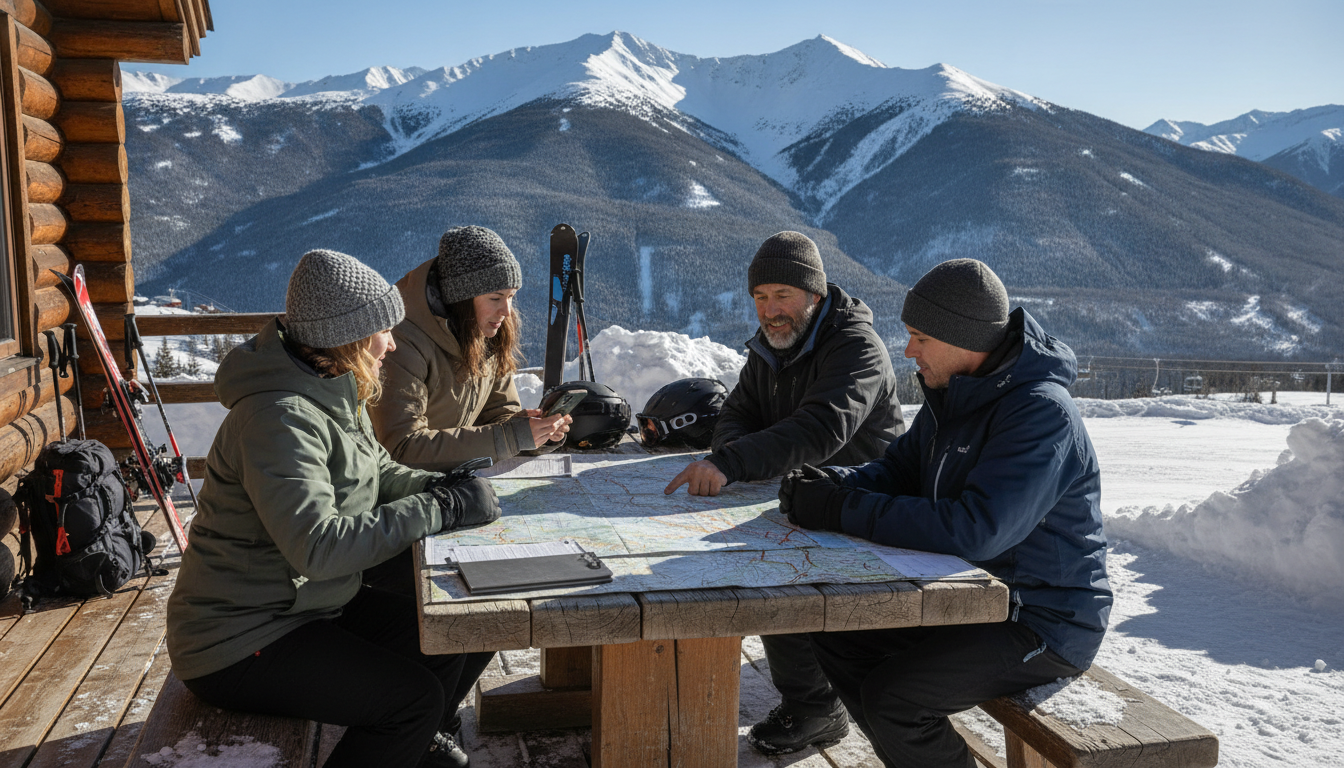
This is general information, not a guarantee of coverage. Policies treat sports and adventure activities very differently, so confirm the details of any policy with an advisor, in writing, before you travel.
Quick answer: a standard travel insurance policy may exclude or limit some sports and adventure activities, and an optional add-on may be available for selected activities. Air1's travel page says the same: some policies exclude or limit sports and adventure activities, an option may be available for selected activities, and you should tell the advisor exactly what you plan to do and get the coverage decision in writing before travel.
Why the activity matters
Travel insurance is priced and written around risk. Everyday walking and sightseeing carry one level of risk, while skiing off the groomed runs or jumping out of a plane carry another. When an activity is outside what the standard plan accepts, a claim that comes from it can be refused. That is why the single most useful sentence you can say to an advisor is a specific one: not "I am going skiing", but exactly what kind of skiing, where, and how often.
Air1's travel page lists optional add-ons for "sports, adventure activities or added medical benefits" as part of what travel insurance may include, and its exclusions answer lists "certain activities" among the things a policy may exclude. Treat both lines as a prompt to ask, not as a promise.
How one insurer draws the line, and why yours may differ
Air1 hosts an Optional Sports Coverages sheet from TuGo on its travel page. It is useful for one reason: it shows how an insurer can organise activities into groups. The version on Air1's site carries a March 2016 date in its file name, so check the current version before relying on it, and do not read it as a description of every plan.
In that sheet, activities fall into three optional groups:
• Contact sports, such as hockey, rugby, football, lacrosse and boxing, when you play, coach or train for a registered team, league or competition.
• Adventure sports, a longer list that includes backcountry skiing, snowboarding and snowshoeing, mountaineering up to 6,000 metres, ice climbing, paragliding and paramotoring, skydiving, hang gliding, and flying as a pilot or passenger in a glider or ultralight.
• Extreme sports, a separate and more restricted group that includes base jumping, wingsuit flying, mountaineering over 6,000 metres, motorized speed contests and, notably for divers, scuba diving if the diver is not certified by an internationally recognized program or goes deeper than 30 metres.
The sheet also said that activities such as hiking, skiing, ziplining, bungee jumping and parasailing over water were covered under that product's standard emergency medical insurance, with the optional groups reserved for the activities listed above.
The point is not the exact list. It is that one plan may treat resort skiing as standard and backcountry skiing as an add-on, while another may exclude both, or draw the line somewhere else. The only way to know is to read your plan and ask.
The out-of-bounds exclusion
The same sheet carries a warning that skiers should read twice. It states that out-of-bounds skiing, snowboarding, snowshoeing or non-motorized snow-biking is not covered, even with the optional adventure coverage, and it defines out-of-bounds as any mountain area that has been closed to public access, or that is identified as out of bounds or can typically only be reached by crossing a fenced, gated or roped-off area marked as off limits according to the safety authorities in the area.
That is one insurer's definition, in a 2016 document, so do not assume your plan uses it. But it shows why "backcountry" and "out of bounds" are not the same thing for insurance purposes, and why you should ask how your plan defines both.
Resort, backcountry, out of bounds: say which
Skiing and snowboarding are good examples of why wording matters. Before you buy, be ready to tell your advisor:
• Where: a patrolled resort, backcountry, or out-of-bounds terrain
• How: recreational, instruction, or competition
• Whether you are guided, and whether there is helicopter or snowcat access
• How often you plan to do it on the trip
• Anything unusual: terrain parks, freestyle, organised events
If an activity is something you do for fun every winter, it is also worth asking whether a multi-trip or annual plan treats it differently from a single trip.
Other activities worth naming
The same approach applies beyond skiing. Say specifically what you plan to do if it includes:
• Scuba diving, including depth and whether you are certified and diving with a guide
• Climbing, mountaineering or canyoning
• Mountain biking or downhill riding
• Snowmobiling or off-road riding
• Water sports, such as parasailing or white-water rafting
• Air sports, such as paragliding, paramotoring, skydiving or hang gliding
If your adventure is flying your own aircraft, such as an ultralight, that is an aviation insurance question, not a travel one. Air1's ultralight aircraft insurance page covers insuring the aircraft and pilot, while travel insurance deals with your medical and trip costs.
Your gear, and what happens if you are hurt
Two practical questions often get skipped:
1. Equipment. Air1's travel page says eligible baggage costs may be covered after loss or delay, subject to policy terms. Ask whether skis, boards, diving or climbing gear are included, and whether there is a separate or lower limit for sports equipment.
2. Rescue, evacuation and medical costs. The Government of Canada's adventure travel guidance warns that you may have to pay upfront for things like rescue, evacuation or repatriation, and that medical care abroad, particularly in places with limited access to care, can be very expensive. It advises carrying extra emergency cash and a credit card with a high limit. For trips within Canada, your provincial plan can still leave gaps, which Air1's domestic travel guide explains.
Why you need the decision in writing
Because activity cover varies so much, a verbal "you should be fine" is not enough. The Government of Canada's adventure travel advice says a standard plan "may not offer adequate coverage for extreme sports, nature expeditions or other adventure activities". It suggests looking for special policies or add-ons for adventure travellers, and checking for any exclusions in the policy that might affect your planned activities. Its travel insurance page lists activities like skiing or scuba diving among the things to ask your insurer about, and recommends asking for a written explanation if anything is unclear.
The Financial Consumer Agency of Canada adds the general rule: make sure you understand what your insurance covers and doesn't cover, and ask questions about anything you don't understand. Air1's travel page makes the same recommendation: ask for written clarification before travelling.
A short email works well. Describe the trip, list the activities, and ask the advisor to confirm in writing:
• Which activities are covered by the standard plan
• Which need an optional sports coverage, and what it is called
• Whether there are limits, altitude or depth restrictions, or conditions such as guides or helmets
• Whether the add-on applies to the whole trip or only some days
• Whether it covers medical expenses only or also affects trip cancellation or interruption
What a sports add-on usually does not change
Adding sports coverage does not turn the plan into something else. Pre-existing medical conditions, destinations under advisories, and events you knew about before buying remain separate questions, and Air1's travel page lists them among common exclusions. If a trip is likely to be cancelled for a reason connected to an injury, the cancellation benefit has its own rules and its own covered reasons, so ask about those separately.
Before you request a quote
Have these ready for an advisor:
1. Destination or resort, and trip dates
2. Each traveller's age and any ongoing health conditions
3. The activities you plan to do, as specifically as you can
4. Whether the trip is a one-off or one of several this year
5. Non-refundable trip costs you want to protect
6. Any equipment you are taking
FAQ
Does travel insurance cover skiing?
It depends on the plan and the type of skiing. Air1's travel page says some policies exclude or limit sports and adventure activities and that an option may be available for selected activities, so confirm your exact activity in writing.
Is backcountry skiing covered by standard travel insurance?
It can be treated differently from resort skiing. One insurer sheet hosted by Air1 listed backcountry skiing and snowboarding under an optional adventure sports group, and excluded out-of-bounds skiing entirely, but plans differ, so ask about your plan.
Do I need extra insurance for scuba diving?
It can depend on your certification and depth. One insurer sheet hosted by Air1 (dated 2016 in its file name) placed scuba diving in its extreme group when the diver was not certified by an internationally recognized program or dived deeper than 30 metres. Tell the advisor your certification, depth and whether you dive with a guide, and get the answer in writing.
Does sports coverage apply to trips within Canada?
Activity rules depend on the policy, not on the destination alone. Ask whether the optional coverage applies to the trip you are taking, whether it is in Canada or abroad.
Are my skis or snowboard covered if they are lost?
Eligible baggage costs may be covered after loss or delay, subject to policy terms. Ask whether sports equipment has its own limit.
If you are planning a ski trip or an adventure holiday, Air1's travel insurance options are the place to start, and you can request a travel insurance quote and tell the advisor exactly what you plan to do.