.avif)
A Comprehensive Guide to General Aviation Insurance in Canada
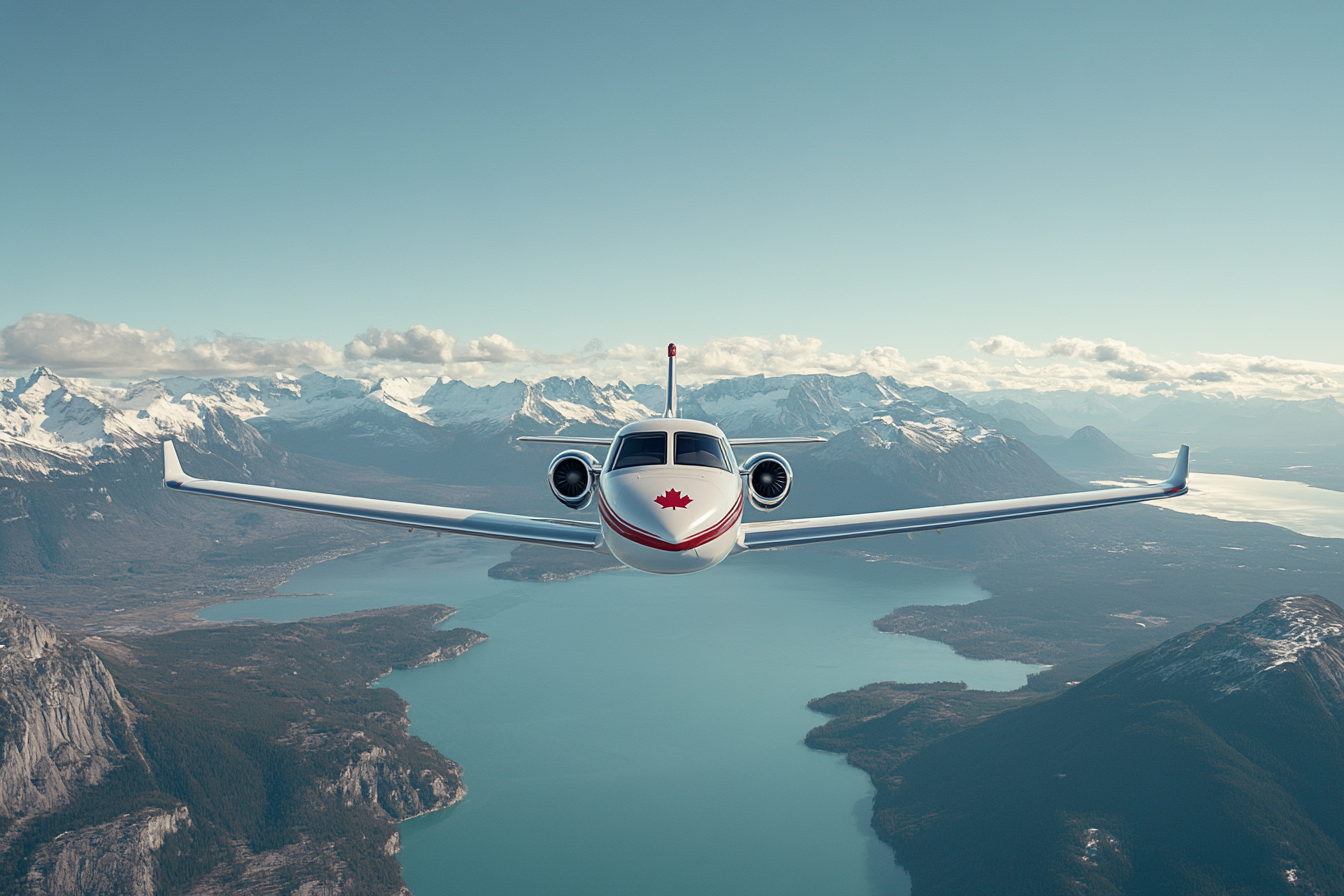
Navigating the skies is exhilarating, but with the thrill of flying comes the responsibility of ensuring pilots, aircraft owners, and operators are adequately protected. This guide simplifies the key elements of aviation insurance options in Canada — helping you understand coverage categories, Canadian regulatory context, and how to approach a quote review with confidence.
General aviation insurance in Canada: quick answer
General aviation insurance helps protect private pilots, aircraft owners, flying clubs, and some smaller aviation operators from aircraft-related risks. A policy may include liability coverage, hull coverage for physical aircraft damage, passenger liability, and other endorsements based on how the aircraft is used. In Canada, requirements and suitable limits depend on the aircraft, operation, passengers, and risk profile, so coverage should be reviewed with an aviation insurance advisor before you fly or renew.
What is general aviation insurance?
General aviation insurance is specialized coverage for aircraft and aviation activities outside major scheduled airline operations. It can apply to privately owned aircraft, flight training, recreational flying, business use, flying clubs, and other aviation scenarios.
The goal is to match coverage to the actual exposure: who owns the aircraft, who flies it, where it is stored, how it is used, whether passengers are carried, and what liability limits are needed. A basic policy may not respond the same way for private use, rental use, instruction, charter-style operations, or business-related flights.
Air1 can help review those details and route you toward coverage options that fit your aircraft and flying activity.
Types of aircraft insurance coverage
Within general aviation, policies can vary significantly depending on the type of aircraft, its usage, and individual risk factors.
Coverage options typically fall under three main categories:
hull coverage
liability insurance
passenger liability.
Your specific situation may call for additional endorsements beyond these core options.
Hull coverage
Hull coverage directly insures the physical integrity of the aircraft — whether it is in flight, taxiing on the runway, or parked in a hangar. Policyholders typically choose between:
- Agreed Value Policies — A pre-determined payout amount for total loss, agreed upon when purchasing the policy.
- Actual Cash Value Policies — Coverage based on the aircraft's depreciated market value at the time of the claim.
Choosing the right type of hull coverage is important to minimizing financial exposure in the event of accidental damage.
Liability protection
Liability insurance protects against third-party claims for damages caused by your aircraft to other property or individuals — including both ground incidents such as collisions while taxiing and in-flight events. It helps ensure pilots and businesses are financially protected from potentially significant claims.
Passenger liability
Passenger liability covers claims relating to injuries or fatalities involving passengers. The number of seats, typical passenger use, and whether flights are private, business, or commercial all affect the appropriate limits.
Common general aviation insurance coverage options
Not every aircraft owner needs every option, and coverage names can vary by insurer. The important step is to confirm what is included, what is excluded, and what assumptions the insurer is using.
Regulatory landscape in Canada
Transport Canada, the regulatory authority overseeing civil aviation in Canada, sets minimum insurance requirements for aircraft based on their weight and usage. Private aircraft generally require basic liability coverage to meet federal standards, while commercial operators typically need more comprehensive coverage including passenger liability and additional protection suited to their operation.
Understanding these guidelines is important to ensuring compliance within Canada's aviation industry. That said, specific requirements can vary significantly by aircraft type, use, and operation — so it is worth reviewing your situation with a licensed advisor.
Is aviation insurance required in Canada?
Canadian aviation operations can be subject to insurance requirements, including liability requirements tied to aircraft weight, use, passengers, and regulatory classification. Transport Canada and the Canadian Aviation Regulations provide the official framework, but insurance needs are not only a compliance question.
Aircraft owners and pilots should also review practical requirements such as:
- Airport, lease, or hangar agreement requirements
- Passenger and guest exposure
- Financing or lender requirements
- Flying club, training, or rental arrangements
- Cross-border or out-of-province operations
- Business use, instruction, or commercial activity
Because requirements can vary by aircraft and operation, use this article as general guidance only. Confirm your specific insurance needs with a licensed aviation insurance advisor.
Coverage considerations by pilot type
Private pilots
For private pilots, coverage to review typically includes hull insurance to protect against damage to their aircraft, and liability coverage to meet Transport Canada requirements and manage exposure to claims. Recreational flyers may find basic plans sufficient, but those wanting more complete protection — particularly where passengers are involved — should explore their options with an advisor.
Commercial operators
Commercial pilots and operators generally need broader coverage, including passenger liability to protect against injury claims and additional protection suited to their type of operation. These requirements are important for enterprises operating in the broader aviation sector.
What information is needed for a general aviation insurance quote?
To make a quote review more useful, prepare the following details before speaking with an advisor:
- Aircraft make, model, year, registration, and current hull value
- How the aircraft is used: private, business, training, rental, commercial, or mixed use
- Where the aircraft is based and how it is stored
- Pilot hours, ratings, training, and recent experience
- Claims history or prior aviation incidents
- Passenger capacity and typical passenger use
- Desired liability limits and deductible preferences
- Any airport, hangar, lender, or contract requirements
The more complete the information, the easier it is to compare realistic coverage options rather than rough estimates. For a deeper look at how costs are determined, read our guide on aircraft insurance cost factors.
Factors influencing aircraft insurance premiums
Aviation insurance costs vary depending on multiple factors. Key variables include:
- Pilot experience — Pilots with more flying hours and current ratings may qualify for different premium structures.
- Aircraft type and design — Modern aircraft with advanced safety features often carry different risk profiles.
- Usage patterns — The frequency and type of operations (recreational vs. commercial) affect premiums significantly.
- Storage and location — Aircraft stored in secure hangars are generally seen as lower risk than those parked outdoors.
Consistent safety training, updated certifications, and regular aircraft maintenance can all contribute to a more favorable risk profile. It is worth discussing how these factors apply to your specific operation when reviewing coverage options.
Claims process for aviation insurance
Filing an aviation insurance claim involves specialized steps, including thorough assessments to determine the extent of damage or liability. Partnering with experienced aviation insurers can help ensure proper documentation and support through the process. If you are ever unsure about a potential claim, speaking with your advisor early is generally the better approach.
Identifying and addressing coverage gaps
Operating an aircraft without adequate coverage can lead to significant financial and operational consequences, including unplanned repair costs, legal complications from regulatory non-compliance, and restricted operations. To reduce the risk of gaps, review and update your insurance policy regularly — particularly when your aircraft, usage, or situation changes.
By working with insurance providers specializing in aviation, pilots and operators can access solutions designed for their specific aircraft and operations. This helps ensure appropriate compliance without leaving critical exposures unaddressed.
FAQ: General aviation insurance in Canada
What does general aviation insurance cover?
General aviation insurance may include aircraft liability, hull coverage, passenger liability, and other endorsements based on aircraft use. Exact coverage depends on the insurer, aircraft, pilot profile, and policy wording.
Is general aviation insurance the same as aircraft insurance?
The terms are closely related. Aircraft insurance is the broad category, while general aviation insurance usually refers to coverage for private, recreational, training, business, or smaller aviation operations outside major scheduled airlines.
How is general aviation different from commercial aviation?
General aviation often includes private flying, recreational use, flying clubs, training, and some business use. Commercial aviation usually involves operations where aircraft are used to carry passengers or cargo for compensation or under more complex operating requirements.
Do private pilots need aviation insurance?
Private pilots and aircraft owners should review insurance needs before operating. Liability requirements, aircraft ownership, passenger use, hangar agreements, and lender requirements can all affect what coverage is appropriate.
How do I get a general aviation insurance quote?
Prepare your aircraft details, pilot experience, usage, storage information, claims history, and desired coverage limits. Then speak with an aviation insurance advisor who can review options for your specific situation.