.avif)
What is General Aviation Insurance? Essentials, Coverage & Plane Requirements
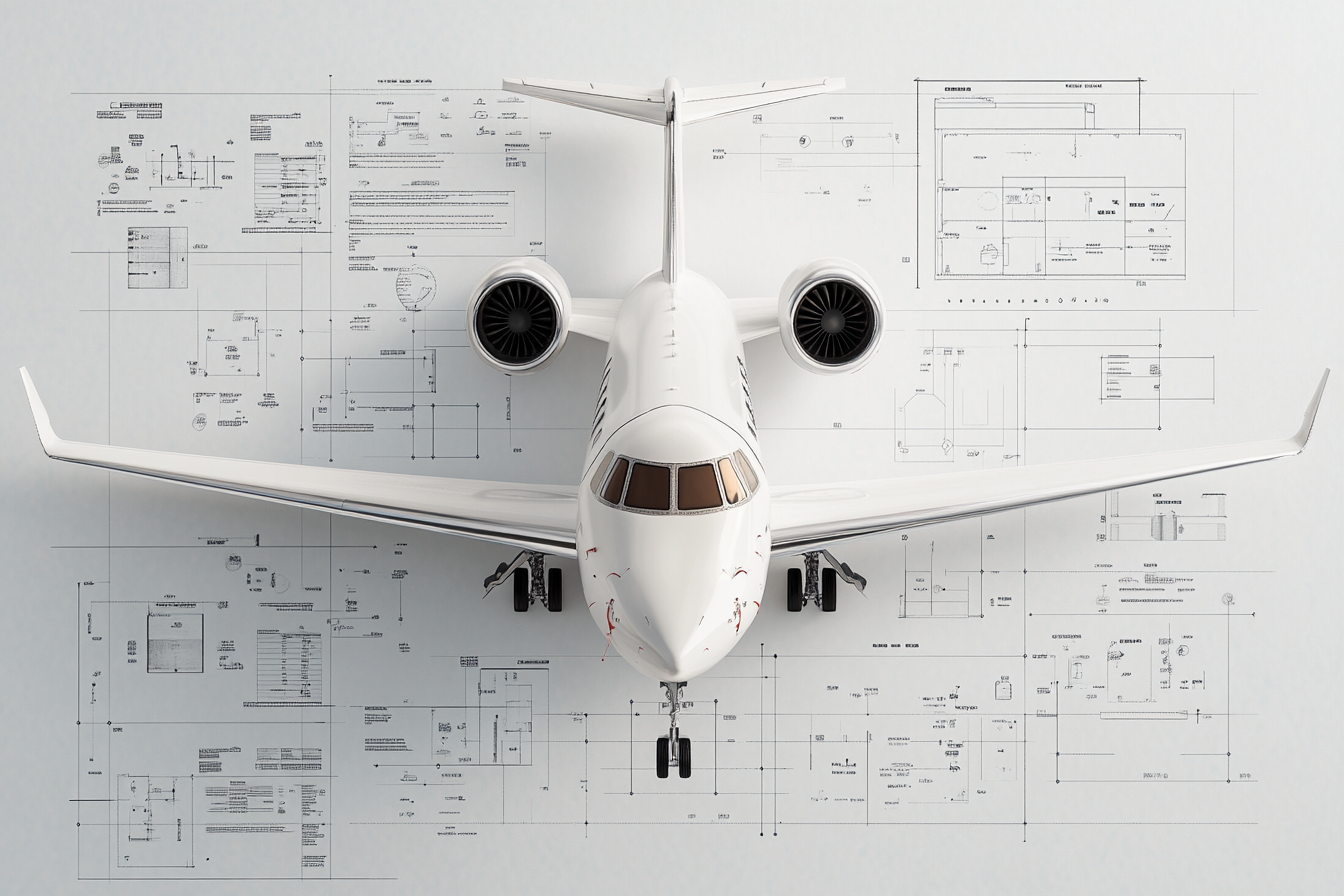
When owning or operating an aircraft, ensuring you're adequately protected is paramount. General aviation insurance is a specialized form of insurance crafted for aircraft owners, pilots, and flight schools. It offers comprehensive coverage to manage risks involved in aviation, providing peace of mind so you can stay focused on flying safely.
This blog dives into the essentials, the types of coverage available, and the specific insurance requirements for your aircraft.
What is General Aviation Insurance?
General aviation insurance refers to a suite of insurance policies designed for non-commercial aircraft owners, pilots, and operators. Unlike policies for airlines or cargo haulers, this form of insurance caters specifically to private aircraft use, flight instructors, and even small charter services.
It provides financial protection and limits liability in case of accidents, property damage, or injuries involving the aircraft. Whether it’s protecting the physical structure of your plane or safeguarding you from legal claims, general aviation insurance plays a vital role in risk management across the aviation industry.
Why is Aviation Insurance Essential?
Flying is inherently fascinating, but it also involves its fair share of risks. Without general aviation insurance, aircraft owners and pilots are left vulnerable to the financial fallout of accidents, liability claims, or natural disasters.
Key reasons why aviation insurance is essential include:
- Risk Mitigation: Cover damages to the plane or hangar resulting from collisions, severe weather, or other uncontrollable events.
- Liability Coverage: Protects against claims for passenger injury, public liability, and property damage caused by the aircraft.
- Peace of Mind: Knowing you’re covered allows you to fly with confidence, ensuring a smoother aviation experience.
What Does Aviation Insurance Cover?
The coverage offered by general aviation insurance is highly versatile to meet the diverse needs of pilots, aircraft owners, and flight schools. Here are the main types of insurance covers generally available in the aviation industry:
1. Hull Insurance
Hull insurance covers physical damage to the aircraft itself. This can be further categorized into two types:
- Ground Risk Hull (Not in Motion): Covers damage to the aircraft while it’s on the ground but not in operation. For example, hailstorms, theft, or fire.
- Ground Risk Hull (in Motion) and Flight Coverage: Covers damage while the aircraft is in operation or during takeoff and landing.
2. Liability Coverage
Liability coverage is crucial for protecting yourself in case of third-party claims. This can include:
- Aircraft Liability: Covers legal claims for bodily injury or property damage caused by your aircraft.
- Passenger Liability: Specifically tailored for injuries sustained by passengers during flights.
3. Public Liability
This protects you against damage caused to third-party property—including buildings, vehicles, or land—resulting from aircraft operations.
Do You Need Specific Insurance for Your Plane?
Absolutely. Aircraft insurance requirements vary depending on the model, usage, and operator. Here are the key considerations to keep in mind when determining what kind of coverage you need for your plane:
- Airworthiness: Ensure your aircraft is in top condition to qualify for suitable insurance.
- Type of Aircraft: Jets, helicopters, single-engine planes, and gliders may require different levels of coverage.
- Operational Purpose: Private use, training flights, or small charter operations influence the type of insurance you’ll need.
- Geographical Location: Insurance premiums and coverage can vary depending on the regulations in your country or region.
Who Does Aviation Insurance Protect?
Aviation insurance is designed to protect a range of stakeholders involved in the general aviation landscape, including:
- Aircraft Owners: Covers physical damage, liability risks, and legal claims against the owner.
- Pilots and Crews: Provides liability protection and covers certain injuries that occur during aviation operations.
- Flight Schools: Shields the business and trainees, reducing financial exposure from potential accidents during lessons.
How to Choose the Right Aviation Insurance
Selecting the right aviation insurance policy requires careful assessment of your needs and risks. Here are some tips to get started:
- Work with an Insurance Broker: Brokers are knowledgeable about the nuances of aviation insurance and can tailor policies to suit your needs.
- Evaluate Coverage Options: Prioritize essential coverage areas, like public liability and physical damage, to avoid gaps in protection.
- Compare Quotes: Reach out to multiple insurance companies to understand pricing and coverage differences.
The Role of General Aviation Insurance in Risk Mitigation
General aviation insurance serves as a critical safety net for pilots, aircraft owners, and businesses in the aviation industry. Whether protecting against aircraft liability claims, reducing property damage costs, or supporting smooth operational continuity, having the right insurance policy is crucial.
If you’re ready to explore more about keeping your aircraft and its passengers protected, visit our detailed guide on aviation insurance A Comprehensive Guide to General Aviation Insurance in Canada.
Don’t fly unprotected—review your policy today, or connect with one of our aviation insurance experts to ensure you’re covered.